
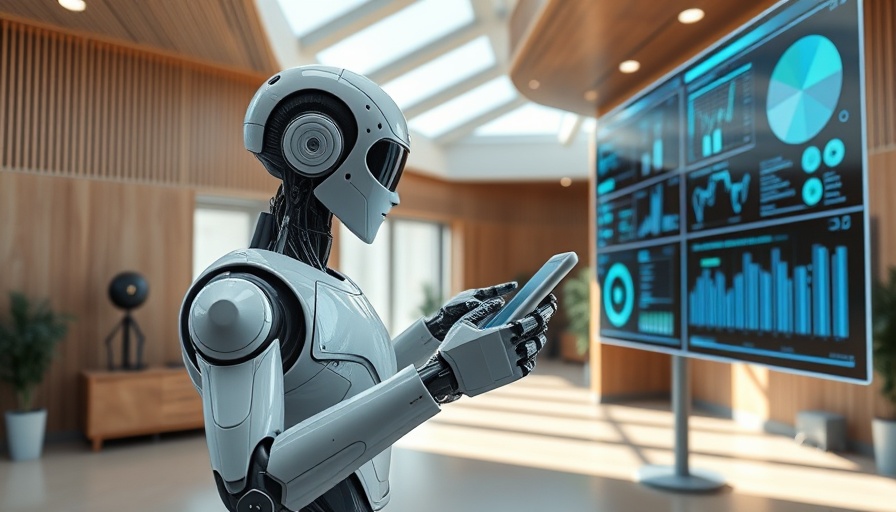
Embracing AI for Office Efficiency: A New Standard
As workplaces evolve to accommodate hybrid models and changing employee needs, the integration of artificial intelligence (AI) into office space management is becoming a game-changer. AI not only addresses the issues of inefficient space usage but also revolutionizes how we think about workspace design and employee productivity.
How AI Transforms Space Utilization
Office environments have long been burdened by underutilization, with studies indicating that over 60% of office space remains empty at any given time. AI systems leverage advanced technologies like sensors, AI algorithms, and predictive analytics to monitor real-time occupancy, bringing to light issues that traditional methods often miss.
Smart Technologies Leading the Charge
Modern office management relies on IoT sensors that track office occupancy with pinpoint accuracy. Systems like XY Sense Area Sensors and Milesight’s workplace occupancy sensors provide real-time data to facility managers, enabling them to make informed decisions about space allocation. This dynamic approach helps save costs, optimize maintenance, and even enhance employee comfort.
Case Study: TEKTELIC's Smart Solutions
A notable application of AI in space utilization can be found in TEKTELIC's implementation of VIVID smart occupancy sensors. By integrating with digital twin platforms like DMI, TEKTELIC enhanced HVAC efficiency using real-time data. Such systems reduce unnecessary maintenance costs and contribute to better space utilization. Former facilities manager Raf Boterdaele emphasizes that data-driven approaches can lead to building environments that meet employee needs better.
Uncovering Valuable Insights from Data
AI doesn't just stop at collecting data; it analyzes historical usage patterns to give businesses actionable insights. By applying machine learning and cognitive processing, AI can identify trends like peak usage times or frequently booked meeting rooms that are underutilized. This information assists businesses in making informed decisions about reconfiguring spaces or adjusting booking protocols, leading to optimized utilization.
The Future of AI in Office Management
The implications of AI in office space management extend beyond just improving efficiency; they're about provoking a cultural change in how we perceive and utilize our work environments. With the trend toward hybrid working models, the predictive capabilities of AI enable businesses to forecast future space requirements and adapt proactively, ensuring a seamless transition for employees returning to the office.
Conclusion: Leveraging AI for a Brighter Workplace
As organizations increasingly embrace hybrid working solutions, the value of AI in optimizing office space cannot be overstated. By leveraging AI technologies, companies can not only save on costs and improve productivity but also create work environments more attuned to the needs of their employees. As this trend continues to grow, businesses that adopt these innovations will be better positioned to thrive in the modern work landscape.


Write A Comment