
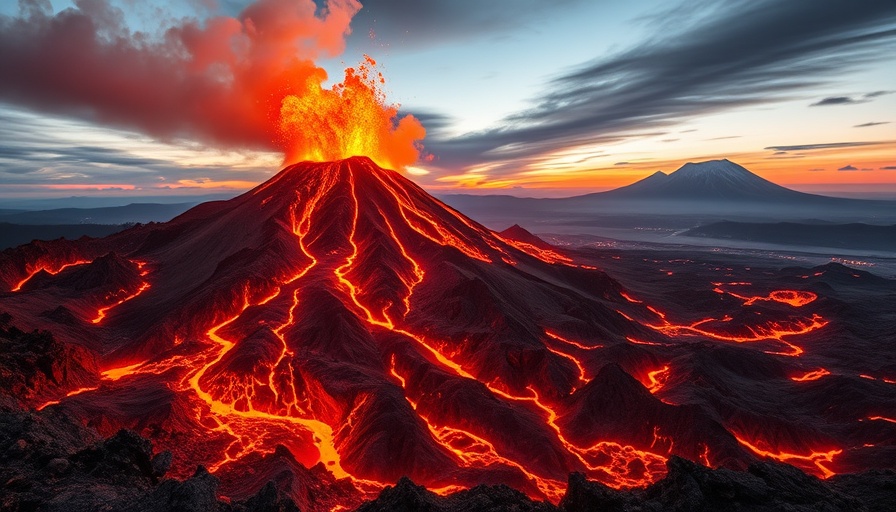
The Terrifying Link Between Melting Glaciers and Volcanic Eruptions
The ongoing climate crisis is reshaping our planet in ways that could be both unforeseen and catastrophic. Recent research suggests that the melting of glaciers is not merely a visual sign of climate change; it could trigger volcanic eruptions. Scientists have long studied the dynamics of glaciers and volcanic activity, and emerging evidence indicates a critical relationship between the two.
Understanding Glaciers as Nature’s Pressure Release Valves
Glaciers act as natural caps over volcanic systems, stabilizing the ground underneath. When these ice masses melt, they reduce the pressure that keeps magma at bay. This change could lead to eruptions that might otherwise have remained dormant for centuries, representing a significant risk as glaciers around the world continue to shrink due to rising temperatures.
Global Implications of Glacier Melt
The activation of dormant volcanoes due to glacier melting poses serious implications for global society. Regions like Iceland and Alaska, known for their active volcanic systems, could experience heightened volcanic activity that threatens local communities and ecosystems. The potential for volcanic ash clouds disrupting air travel and impacting climate further underscores the interconnectedness of climate change and geological activity.
What Can Be Done?
Understanding this relationship between glacial melt and volcanic activation is essential for developing strategies to mitigate risks. It underscores the urgency of addressing climate change from a global perspective. As scientists continue to investigate these dynamics, it highlights the need for proactive measures in environmental policy and disaster preparedness to protect communities and ecosystems from potential catastrophic eruptions.


Write A Comment