
The Future of Autonomous Machines: Insights from a Robot's Battery Swap
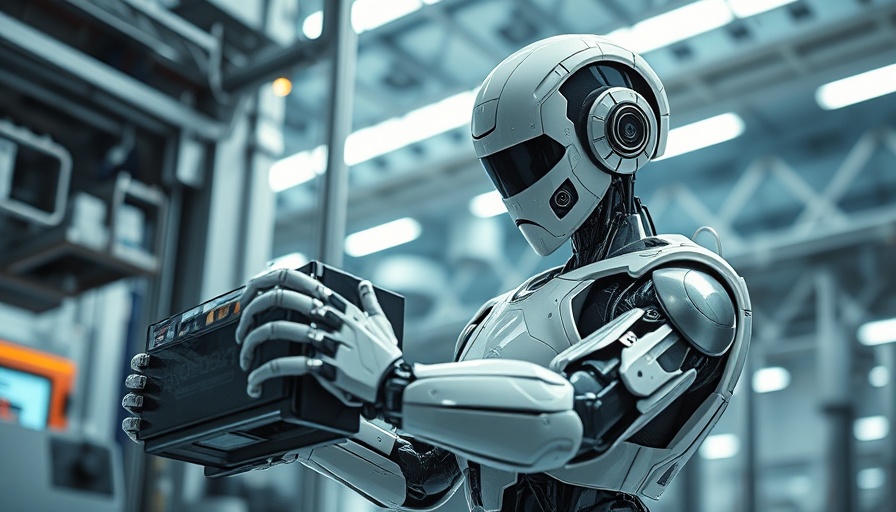
The recent demonstration by UBTECH of its bipedal robot Walker S2 successfully changing its own battery has sparked conversations about the future of work and the role of humanoid robots in our society. With self-swap capabilities, this 95-pound robot may soon operate tirelessly on factory floors, leading to a new era of "dark factories"—facilities that operate continuously without human supervision or the need for electric lights.
In the footage, the Walker S2 impressively maneuvers its arms to swap out one of its battery packs, showcasing its ingenuity and the increasing sophistication of robotic technology. This ability to recharge and resume work enhances the feasibility of 24/7 operations and raises questions about the potential obsolescence of human roles in various industries.
Humanoid Robots: Why They Matter
The Walker S2 is just one example of a growing trend; manufacturers are increasingly investing in humanoid robots to boost productivity and efficiency. As companies like Unitree continue to create affordable bipedal robots, we can expect these machines to be integrated into sectors where manual labor is prevalent. The implications for job security are significant, particularly for factory workers whose tasks may soon be handled by these capable machines.
Revolutionizing Industries: The Reality of Automation
Automation in the workplace is not just a futuristic concept anymore. The advent of robots that can perform tasks such as cooking, sorting packages, and even changing their own batteries indicates a shift that could redefine labor markets across the globe. With Walker S2 capable of walking for two hours or standing for four before needing a recharge, it’s evident that these robots are designed for sustained operational efficiency.
As automation continues to evolve, industries must prepare for the possibility of major workforce transformations. The blend of robotics and artificial intelligence signifies an urgent need for both businesses and workers to adapt to the changing landscape. Education and training will become crucial for maintaining competitiveness in this new era.
What Does This Mean for Employees?
The emergence of self-sufficient robots like the Walker S2 suggests a future where many traditional jobs could diminish or disappear. While efficiency is improved, it’s essential to consider the social and economic consequences such automation may pose. As these machines take over tasks once performed by humans, discussions surrounding social safety nets, retraining programs, and ethical implications of robotics will become increasingly important.
As we continue to tread into this machine-dominant future, it’s vital for stakeholders—companies, employees, and policymakers alike—to engage in thoughtful dialogue about the evolving role of robots and their impact on work.


Write A Comment