
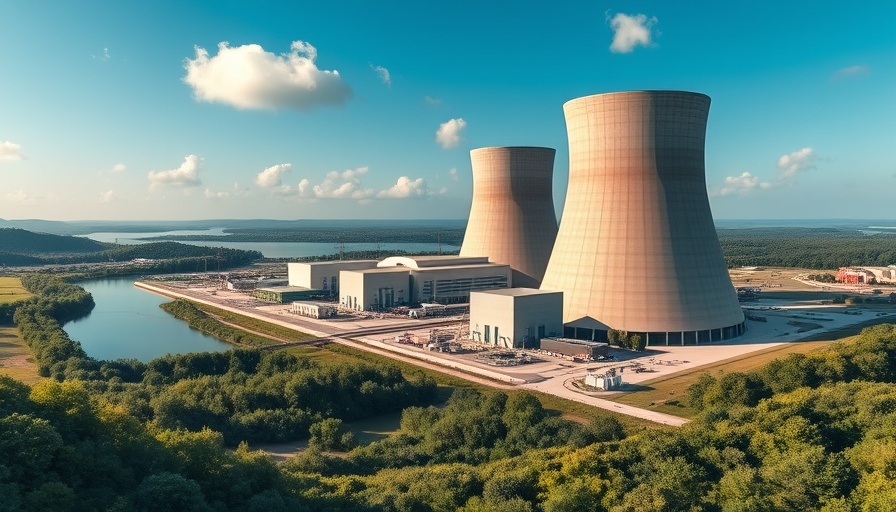
Forecasting the Future of Nuclear Waste Management
A groundbreaking model developed by researchers aims to predict the long-term effects of nuclear waste on underground disposal systems. These predictions are critical for assessing the safety and sustainability of nuclear waste storage, particularly as countries grapple with managing radioactive materials. Recent simulations, which aligned closely with findings from an underground lab experiment in Switzerland, serve as a compelling proof of concept for validating the safety of nuclear disposal sites.
Understanding the Importance of Nuclear Waste Disposal
With the growing reliance on nuclear energy, effective waste management has never been more pivotal. Nuclear waste remains hazardous for thousands of years, necessitating systems that can contain these materials securely underground. The model from MIT offers promising insights into how we can enhance the safety and longevity of these systems.
Leveraging Advanced Modeling Techniques
Utilizing advanced simulations, researchers are able to analyze data and predict interactions between nuclear waste and geological conditions over extended periods. This model not only aids current disposal strategies but also serves as a critical resource for future nuclear policy development. Importantly, it highlights the potential of machine learning in refining our approaches to environmental challenges.
Broader Implications for Technology and Sustainability
This research reflects a larger trend where technology intersects with sustainable practices. As we face climate change and energy crises, innovative tools such as those developed at MIT may become indispensable in making nuclear power a more feasible option. By ensuring the safe disposal of nuclear waste, we take a significant step toward harnessing the benefits of this powerful energy source responsibly.


Write A Comment