
The Alarming Link Between Climate Change and Volcanoes
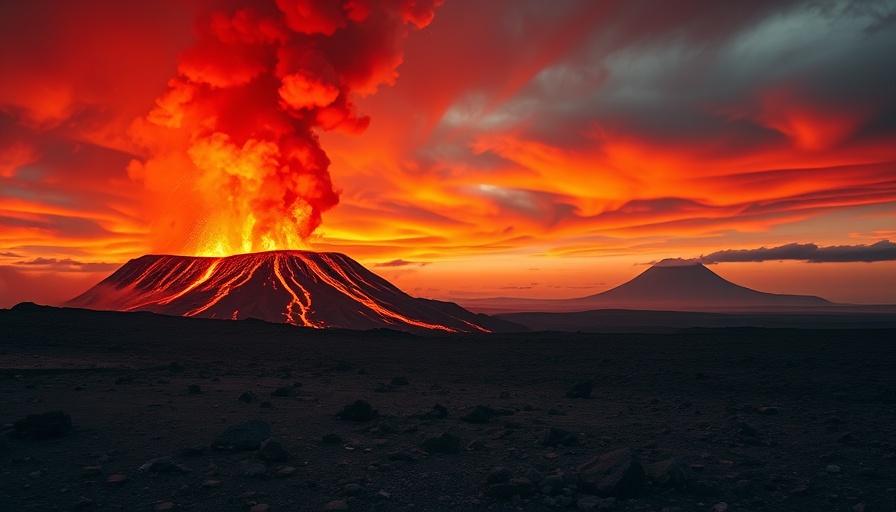
Recent studies have raised significant concerns about how melting glaciers due to climate change could potentially activate dormant volcanoes. As glaciers retreat, they exert a vital pressure on the Earth’s crust, which can, in various situations, lead to volcanic activity. As we witness unprecedented ice loss in places like Greenland and Antarctica, this phenomenon could pose severe risks, not just from climate-related issues but from geological instability as well.
Understanding the Impact of Glacial Melt
When glaciers melt, the removal of this immense weight can allow volcanic systems that have been quiet for centuries to awaken. Experts suggest that the rapid pace of current climate change is accelerating these geological processes. For example, in Iceland—a region both rich in glaciers and volcanic activity—scientists are closely monitoring how changes in ice mass influence volcanic systems beneath the surface.
The Broader Implications for Society
Beyond the immediate geological ramifications, the potential for volcanic eruptions driven by melting glaciers could significantly impact air travel and global agriculture. Ash clouds can disrupt flights and diminish sunlight, harming crops. Additionally, communities living near these volcanoes face heightened risks from possible eruptions. This interlinked catastrophe raises pressing questions about disaster preparedness and response plans in vulnerable areas.
Future Predictions and Mitigation Strategies
Looking ahead, scientists advocate for increased monitoring of at-risk zones and improved modeling to predict potential eruptions triggered by the glaciers’ retreat. As the climate changes, angle-factor strategies are essential to lessen the impacts on ecosystems and populations. Being proactive rather than reactive could save lives and livelihoods in regions at risk.


Write A Comment